New
Sale
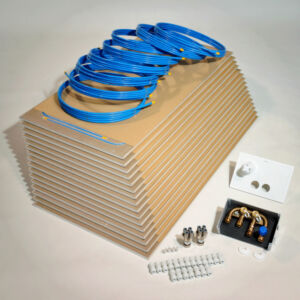
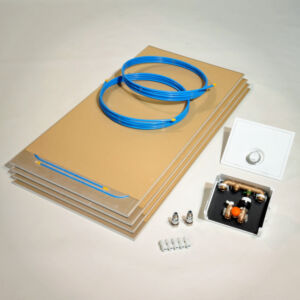
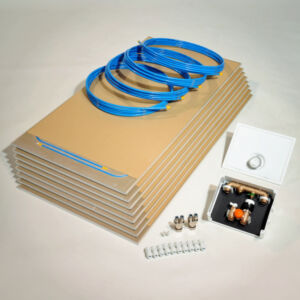
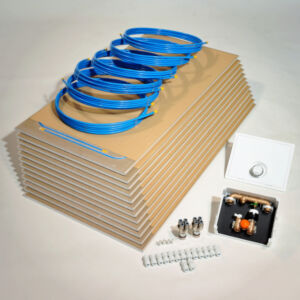
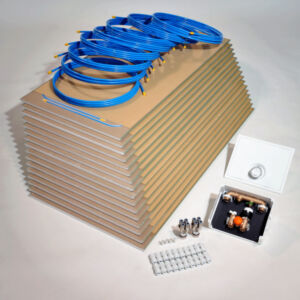
Drywall Ceiling Heating Kits
Other Products
New
Sale
New
Sale
New
Sale
New
Sale
New
Sale
New
Sale
New
Sale


Full kit
from 544.99 €
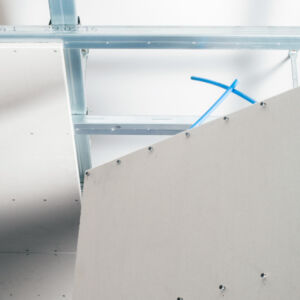
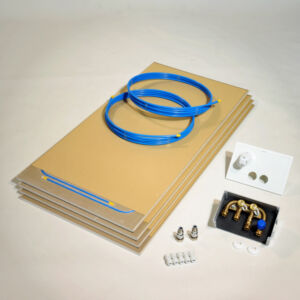
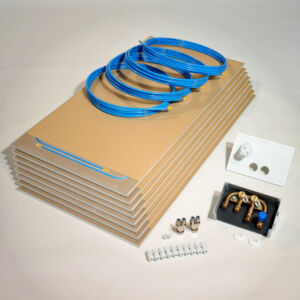
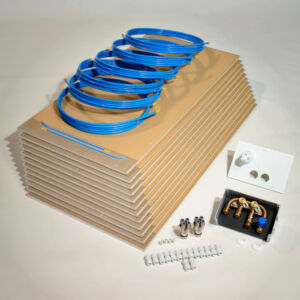
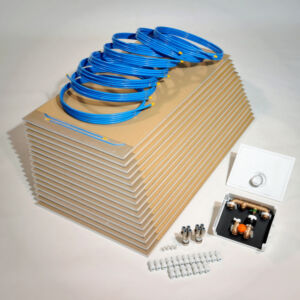
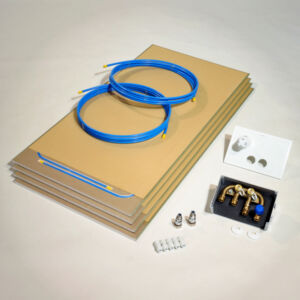
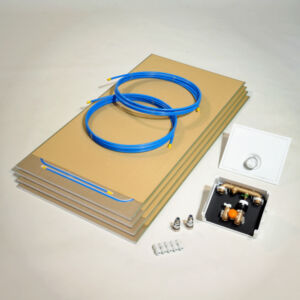
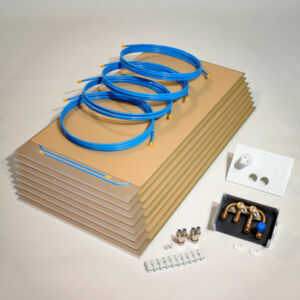
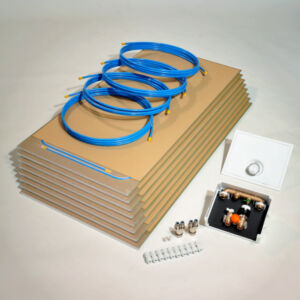
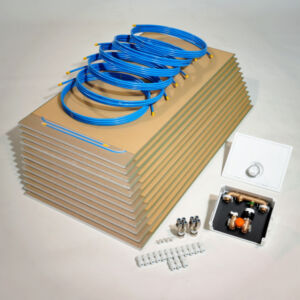
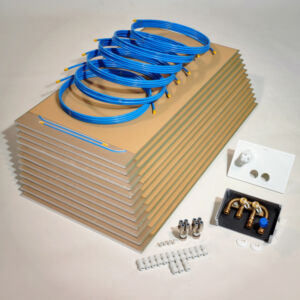
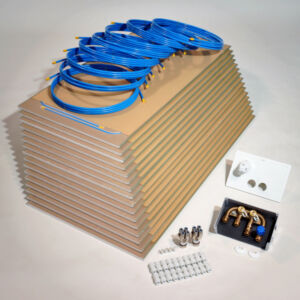
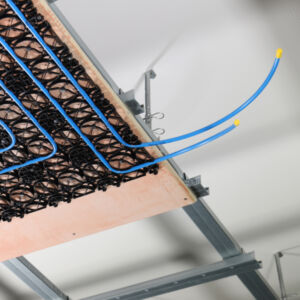
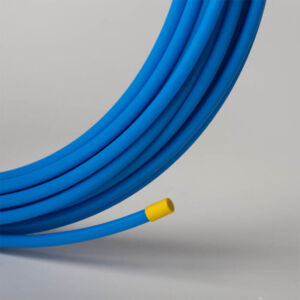
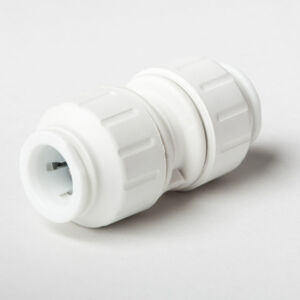
The FLEXIRO system kit for hydronic ceiling heating enables the retrospective thermal activation of ceiling surfaces. It is installed as a drywall ceiling with prefabricated heating elements. The kit includes an RTL valve for connection to conventional heating systems and plug-in connections for easy installation. For the thermal conditioning of larger rooms, several ceiling heating systems can be combined and connected with control boxes.
Ceiling heating creates a healthy room climate thanks to uniform radiant heat without raising dust and is therefore also used in many hospitals. Ceiling cooling is also possible with the system. Our kits provide year-round climate comfort for retrofitting.
 Technical data sheet underfloor heating kitHeating capacity and other technical information110 KB
 Installation Guide - How to Install a DIY Drywall Ceiling Heating KitComprehensive installation guidelines with all required information for retrofitting a FLEXIRO water-based ceiling heating with prefabricated plasterboard.926 KB
Yes, it is possible to use the ceiling heating kit for cooling in summer. Sufficient cool water supply is required though. Further details can be found at: How to use a ceiling heating as cooling ceiling.
If there is an unheated room above the ceiling activated with FLEXIRO and the old ceiling has no thermal insulation or the heat transfer coefficient of the ceiling is unknown, we recommend adding an additional insulation layer. In any case, thermal insulation above the ceiling heating will shorten the reaction time of the heating.
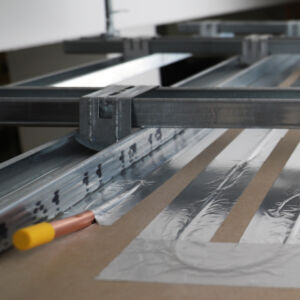
The substructure for the ceiling heating should comply with the dry construction guidelines for suspended ceilings. When using CD profiles and direct hangers, a suspension height of approx. 5 cm can already be sufficient. A small distance to the raw ceiling is also required for the installation of the FLEXIRO connection pipes and plug connections. The dry construction guidelines also permit the use of wooden beams as a substructure for the plasterboard. However, their stability and torsional stiffness is usually less good compared to CD profiles made of metal.

We provide answers to the most important questions when retrofitting a cooling ceiling.
play_circleback-to-top